Kepemimpinan Akademik · UBDSBE
A Day to Reflect, Connect, and Reimagine: UBDSBE Faculty Retreat 2026
Sometimes, stepping away from our daily academic routines is precisely what we need to rediscover why we do what we do.
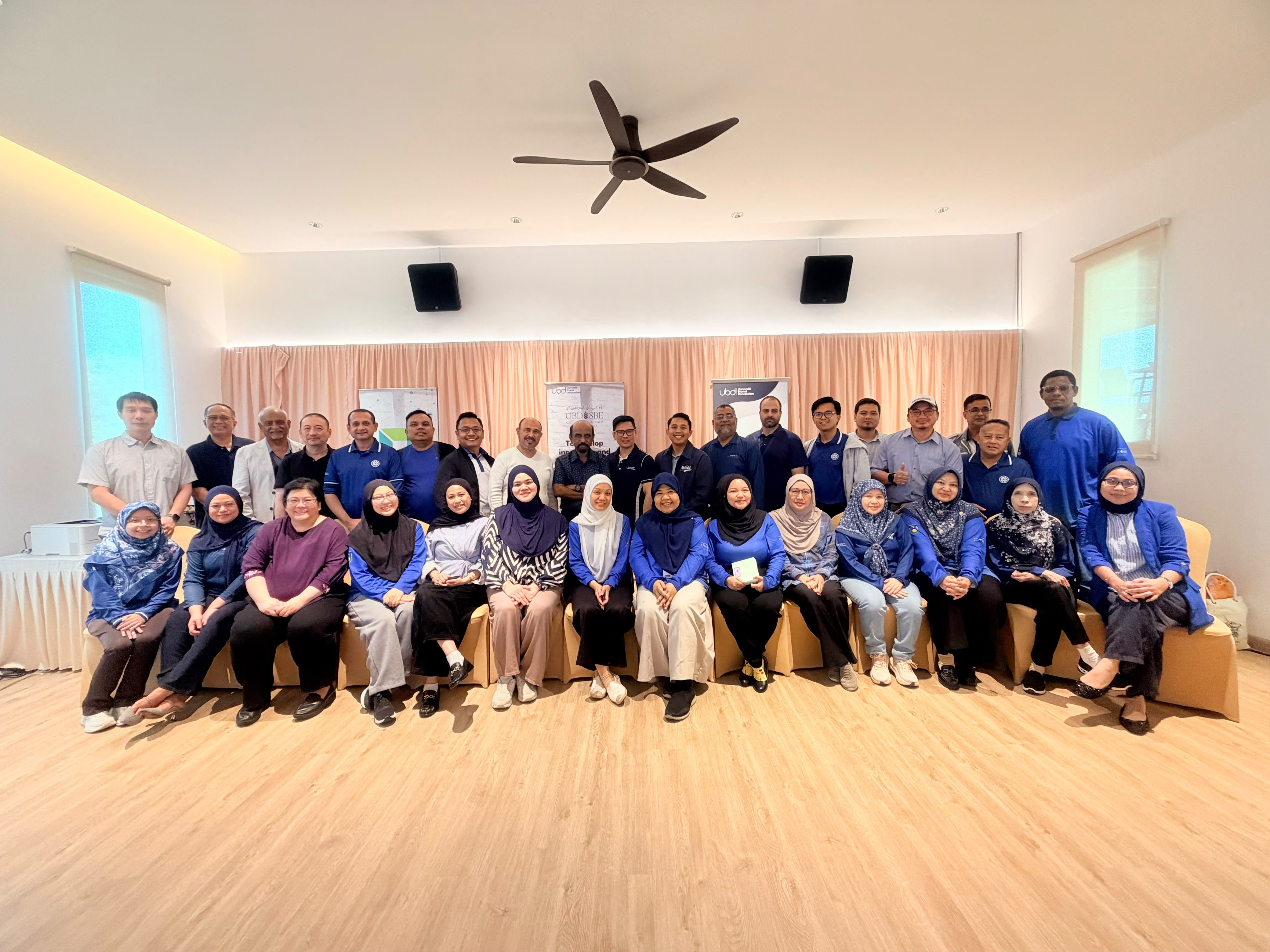
On Wednesday, 28 October 2026, I joined my colleagues from the UBD School of Business and Economics (UBDSBE) for our Faculty Retreat 2026 at J-Hotel, Kiulap, Bandar Seri Begawan.
As academics, our days are often filled with lectures, research, student supervision, assessments, administrative responsibilities, and countless meetings. We are constantly moving from one commitment to another, sometimes with little opportunity to pause and reflect on the bigger picture.
This retreat offered something valuable: a space to reconnect with colleagues, revisit our collective direction, exchange ideas, and reconsider how we can make our work more meaningful.
I particularly appreciated that the retreat wasn't simply about listening to presentations. It encouraged us to participate, question, discuss, and learn from one another.
Reimagining Our Collective Expertise
One of the most engaging activities was the Thought Leadership for SBE session.
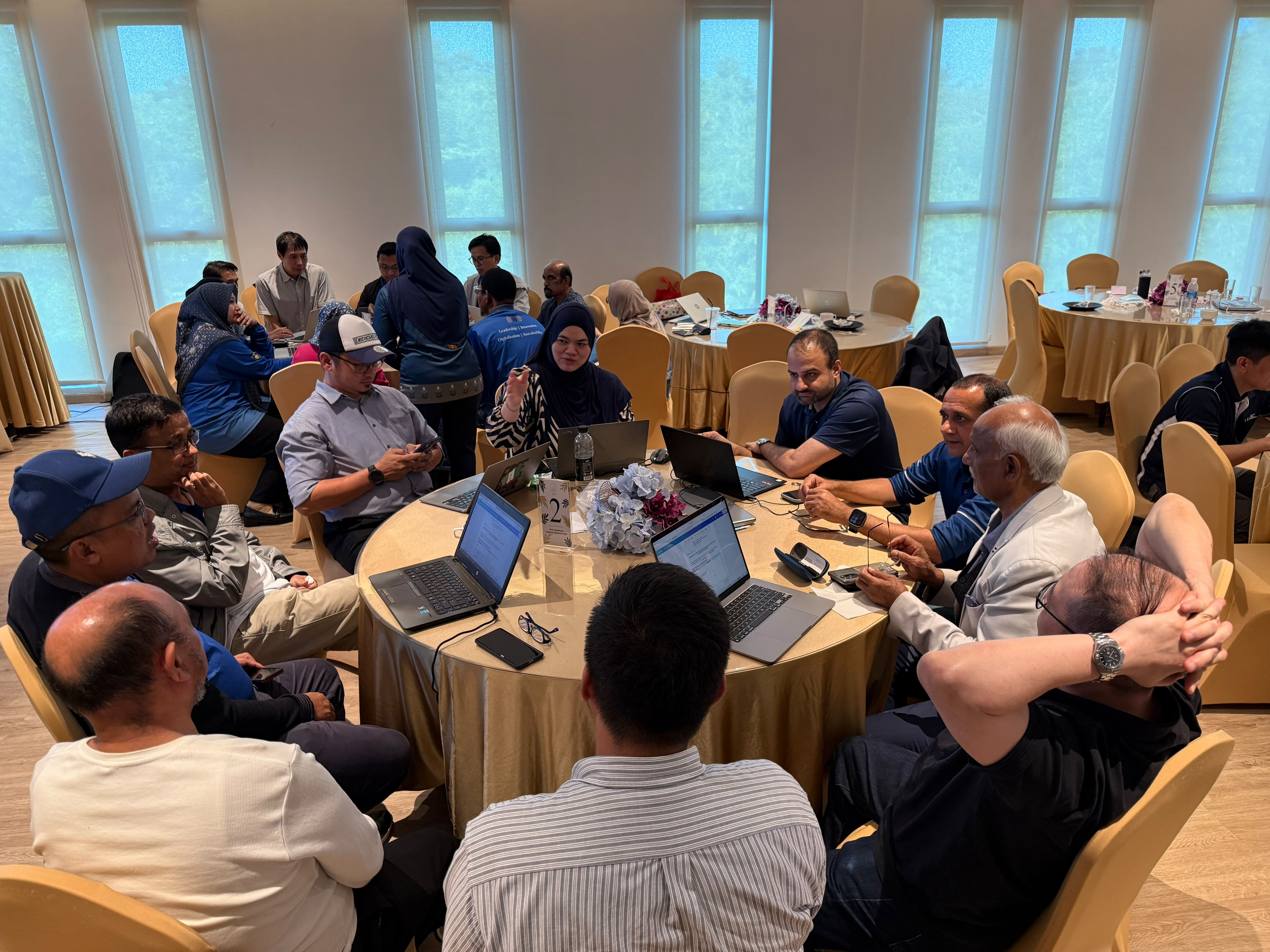
Faculty members from four departments (Accounting and Finance, Business Administration, Economics, and Entrepreneurship) were deliberately mixed into five groups. I was assigned to Group 3, working alongside colleagues from different academic backgrounds.
Our task revolved around a thought-provoking question:
“What should UBDSBE be known for in 3–5 years, and how will we build it?”
This question encouraged us to look beyond our individual research interests and consider the collective intellectual identity of our school. We began with capability mapping: reviewing and updating our areas of expertise, considering how to better connect our academic profiles to the UBDSBE website, and identifying expertise others recognise, use, and seek out.
We then explored the possibility of developing a new interdisciplinary expertise cluster that could strengthen collaboration across departments, improve research productivity, and expand our contributions to university stakeholders and the wider community.
For me, the exercise reinforced an important idea: a faculty's strength is not simply the sum of its individual expertise, but how effectively that expertise is connected, communicated, and mobilised. We may have many accomplished academics working within the same institution, yet the real opportunity lies in discovering what we can achieve together that we might not accomplish individually.
Teaching: The More We Know, the More We Need to Learn
The Teaching Effectiveness Lab was perhaps the most personally humbling session for me. Having taught for more than 20 years across three countries and attended numerous workshops on pedagogy and teaching development, I might have assumed much of the discussion would be familiar. Surprisingly, it felt almost as though I were encountering some of these ideas for the first time.
Our group critically examined five dimensions of teaching effectiveness:
- Learning design
- Delivery and engagement
- Assessment and feedback
- Learning support
- Supervision
We reflected on our existing teaching practices and explored strategies for improving the student learning experience beyond the retreat. What struck me was not necessarily the novelty of the concepts, but the perspectives and experiences my colleagues shared. Sometimes, after years of teaching, we become comfortable with our methods. We develop routines, refine our materials, and gradually become confident that we are doing a good job. Yet conversations with fellow educators remind us that there are always different, and sometimes better, ways to approach teaching and learning.
I found myself reflecting on a simple but uncomfortable truth: Experience does not automatically guarantee excellence, and familiarity should never replace curiosity. Even after two decades in the classroom, I still have much to learn. Perhaps this is one of the most important qualities we should preserve as educators: the willingness to remain students ourselves.
Research Beyond Publications and Rankings
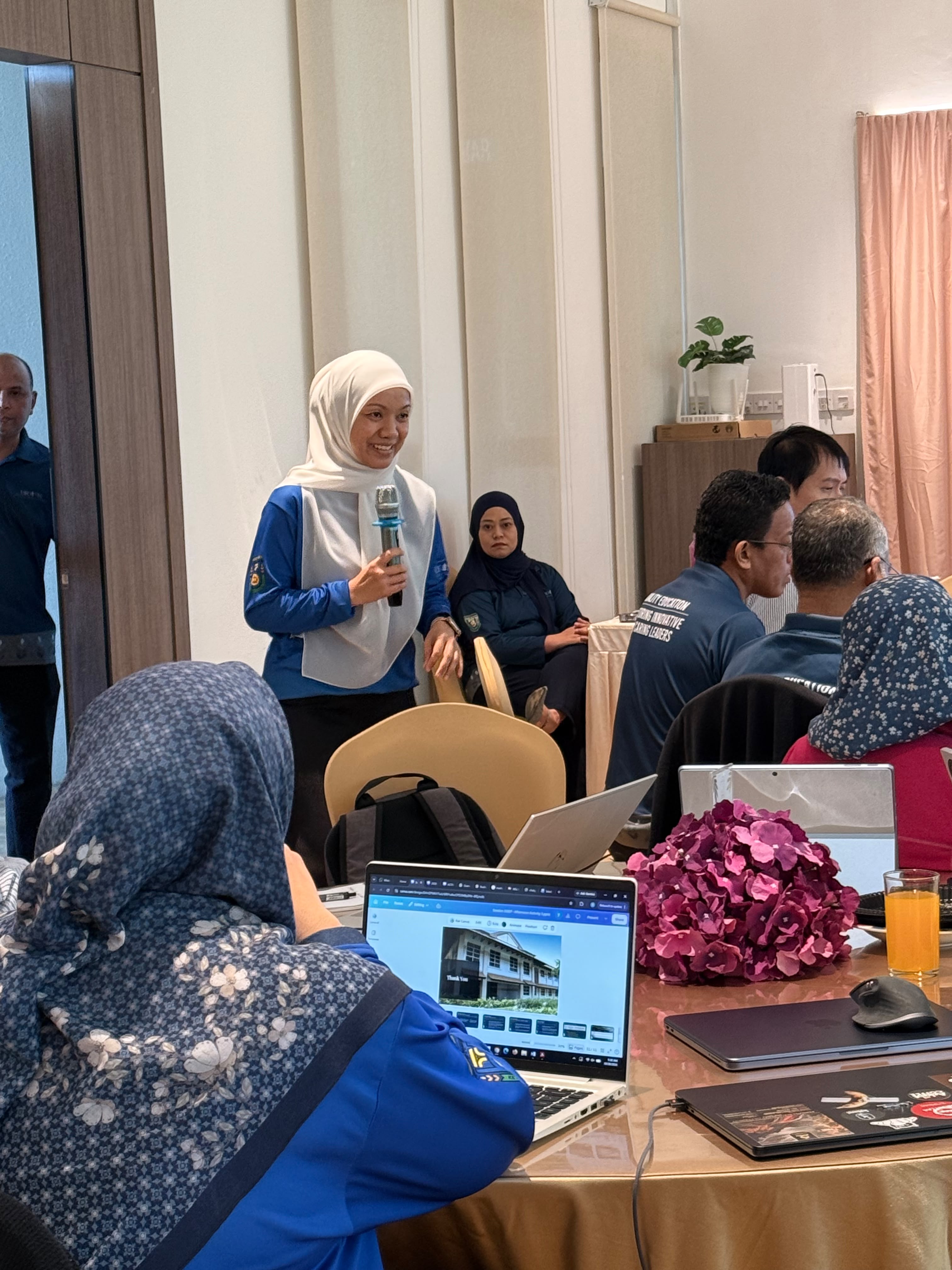
The final major activity, the Impact Detective session, challenged us to think more critically about the purpose and impact of academic research.
For this activity, the groups were reshuffled, allowing us to work with a different mix of colleagues. I joined the group focusing on research quality and quantity, while other groups explored teaching and sustainability-related issues.
Through a case study, we were asked to examine how research could generate meaningful impact for university stakeholders. This discussion resonated strongly with me. In academia, research performance is frequently associated with measurable achievements: publications, citations, journal rankings, research grants, and academic promotions. These indicators certainly have their place. They help institutions assess research performance and encourage scholarly productivity. However, I sometimes wonder whether we have become so focused on measuring academic success that we risk overlooking its broader purpose. This concern is particularly relevant for early-career researchers navigating the pressures of publication requirements, institutional rankings, and academic progression.
A publication is an important scholarly contribution, but its value should not be understood solely through the journal in which it appears or the citations it receives. We should also ask: Who benefits from our research? What problems does it help address? How does it influence policy, practice, institutions, or communities? Not every research project will produce immediate or easily measurable societal impact. Fundamental research, too, has intrinsic value and may generate important contributions over time. Nevertheless, being intentional about the potential beneficiaries of our work can help us connect academic inquiry with the needs of the wider world. For me, this was an important reminder that academic recognition and meaningful societal contribution should complement, not compete with, one another.
Beyond the Formal Sessions
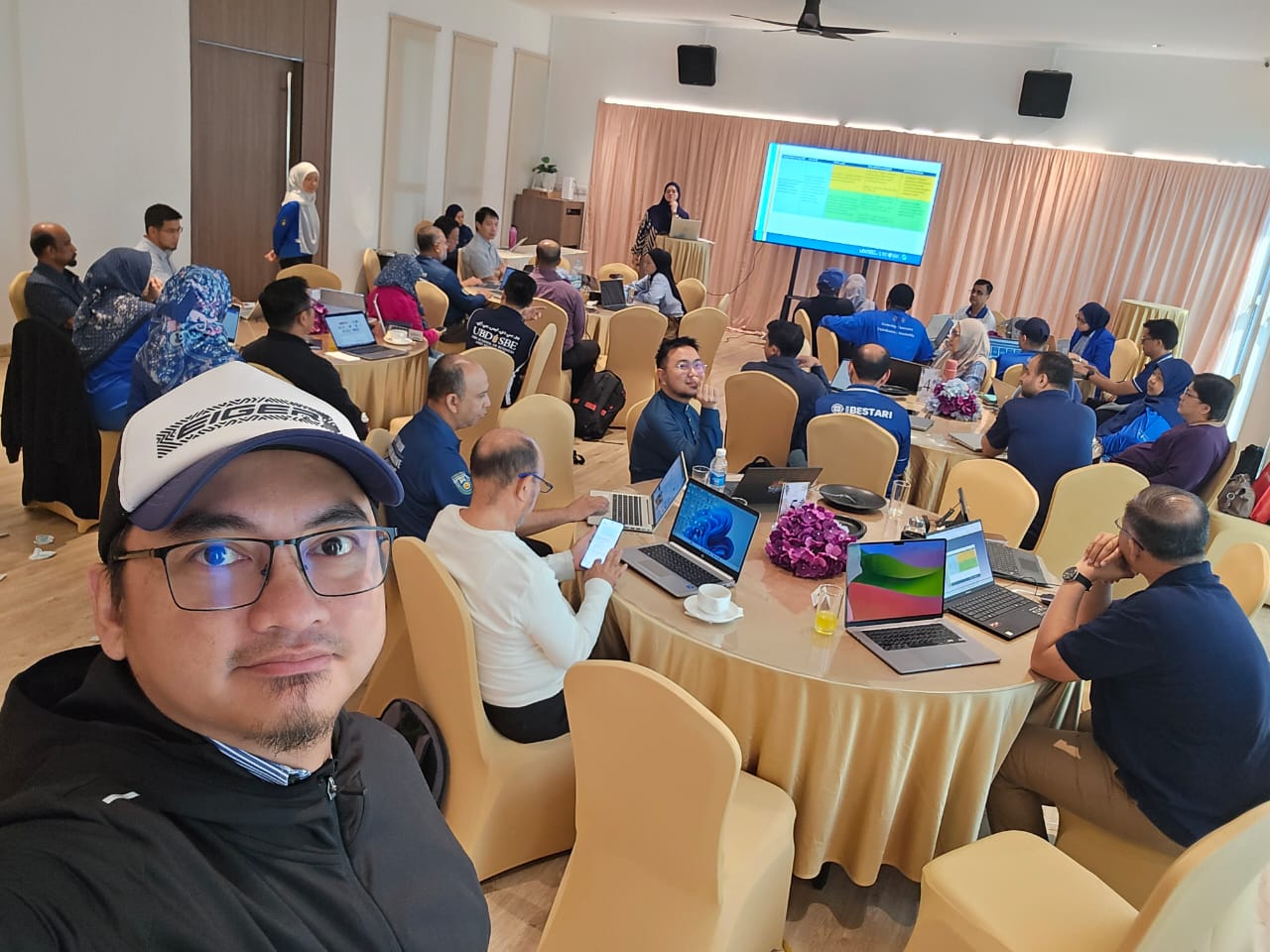
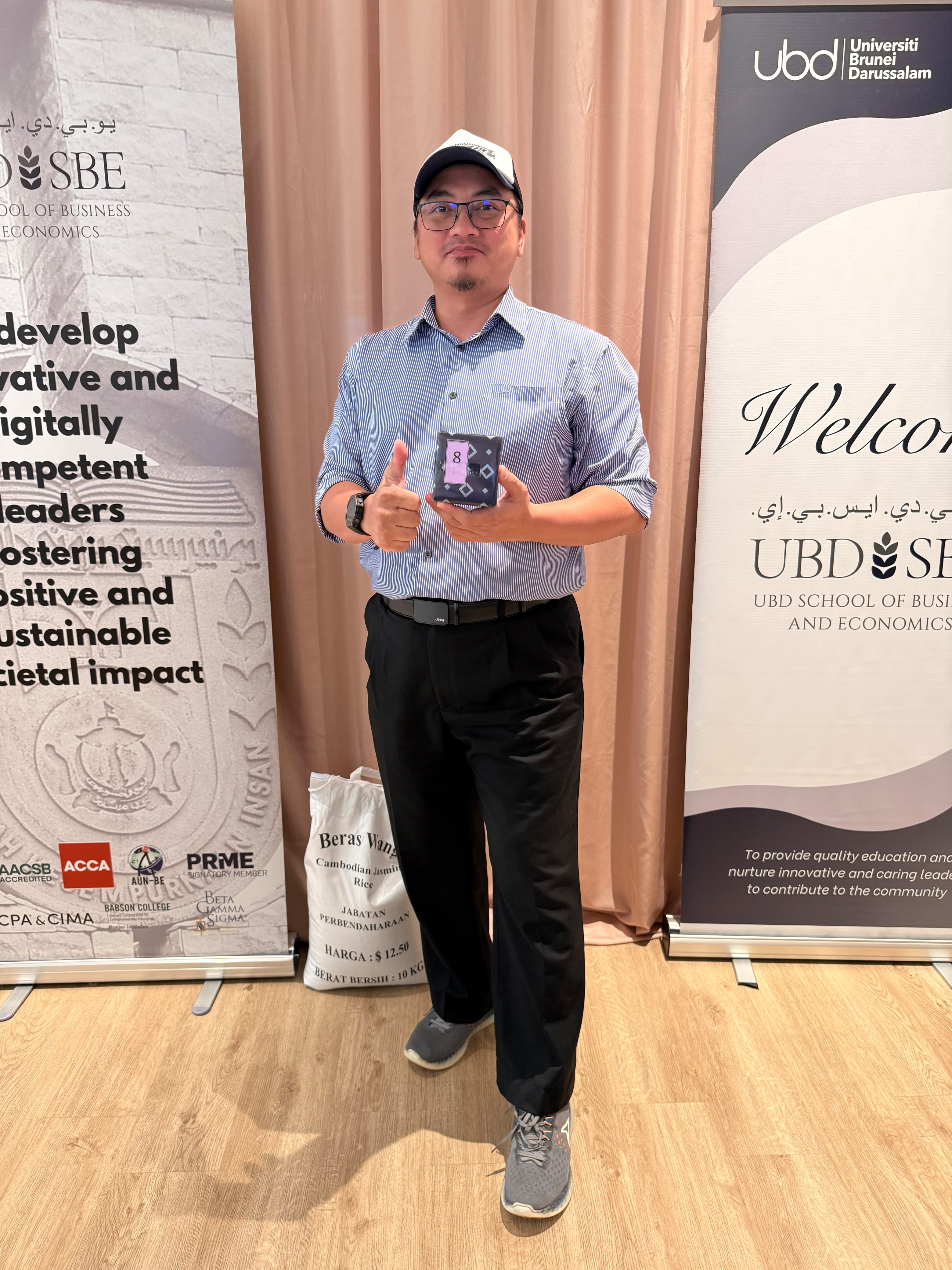
Of course, the retreat was not all about serious discussions and strategic planning. Throughout the day, we also enjoyed games, informal conversations, and gift-exchange activities that added a lighter, more personal dimension to the programme. These moments mattered.
In our usual academic routines, we may interact with colleagues primarily through departmental meetings, committees, emails, or specific work-related responsibilities. A retreat creates opportunities to connect beyond these formal structures. The mixed-group activities were particularly valuable because they encouraged interaction across departmental boundaries. They reminded us that building a strong academic institution is not only about developing strategies and systems, but also about strengthening relationships, trust, and a sense of shared purpose. And sometimes, a simple game, a conversation over lunch, or an unexpected gift can contribute to that sense of community.
Three Reflections to Take Home
As I reflected on the day, three lessons stayed with me.
First, collective expertise matters more when it is connected. We need to move beyond working in disciplinary silos and become more intentional about building collaborations that draw on our complementary strengths.
Second, teaching excellence requires continuous humility. No matter how long we have been teaching, we always have something to learn from colleagues, students, and new educational approaches.
Third, academic achievement becomes more meaningful when connected to impact. Publications, recognition, and professional advancement are important, but they should not distract us from the broader contributions our scholarship can make.
These reflections are not entirely new. In fact, they are ideas that many of us have encountered repeatedly throughout our academic careers. Yet sometimes, what we need is not a completely new idea, but an opportunity to revisit a familiar one with fresh eyes.
Moving Forward
As the retreat ended, I was reminded that the real measure of a successful faculty retreat is not simply the quality of the discussions or the number of ideas generated. It is what happens afterwards. Will we translate our conversations into stronger interdisciplinary collaborations? Will we revisit our teaching practices with renewed openness? Will we become more deliberate in connecting our research with meaningful outcomes? These are questions worth carrying back into our everyday academic work.
I am grateful for the opportunity to spend the day learning, reflecting, and connecting with colleagues across UBDSBE, and I appreciate everyone involved in organising and facilitating the retreat. A meaningful retreat should not merely take us away from our routines. It should help us return to them with a renewed sense of purpose. And perhaps that is the most valuable takeaway from the UBDSBE Faculty Retreat 2026.
Wallahu a’lam bis-showab.
Bandar Seri Begawan,
28 October 2026
Ruang percakapan
Tinggalkan komentar
Bagikan pandangan atau tanggapan Anda mengenai tulisan ini. Pesan biasa akan langsung ditampilkan. Pesan yang terdeteksi mengandung tautan atau pola spam akan ditinjau terlebih dahulu.
Komentar pembaca
Belum ada komentar yang ditampilkan. Jadilah yang pertama berbagi pandangan.